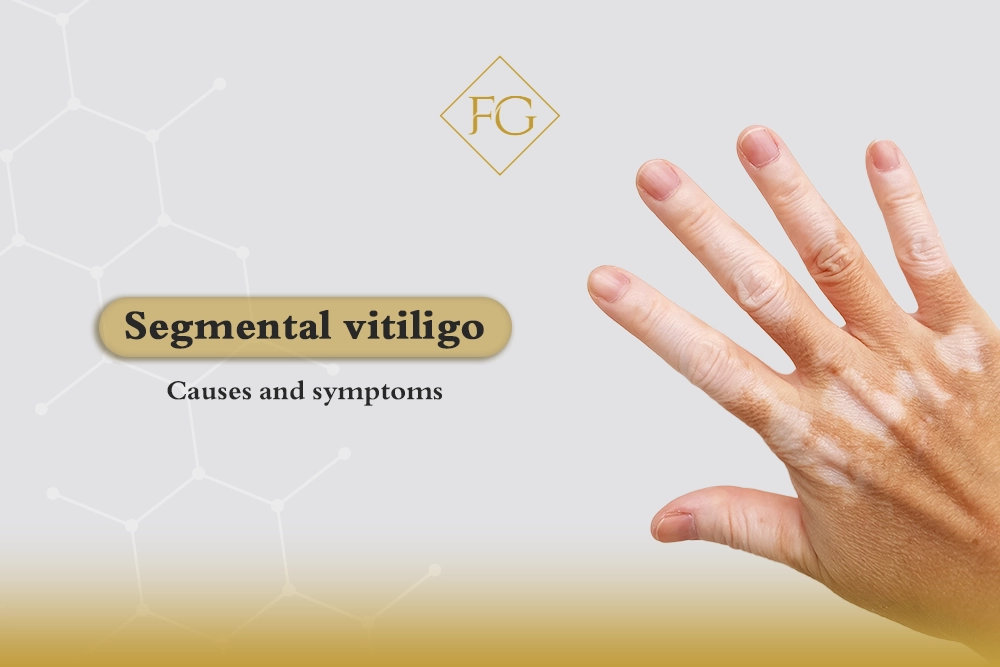
Segmental vitiligo typically appears as a sudden, localized loss of color on just one side of your body, often following a specific nerve path. We understand that seeing these distinct white patches can be concerning, especially when they develop rapidly during their initial phase. Restoring your skin’s natural harmony in Dubai requires a precise medical approach that respects the unique behavior of this condition to ensure lasting, natural-looking results.
Distinguishing the unique characteristics of segmental vitiligo
Identifying this specific form of pigment loss early is vital because it behaves differently than the more common generalized types.
To help you manage your expectations, segmental vitiligo presents with several defining features that set it apart:
- Unilateral distribution and What is vitiligo in babies where the patches stay strictly on one side of your face, trunk, or limbs without crossing the midline.
- Rapid early progression followed by stabilization, typically reaching its full extent within six to twelve months before stopping.
- Poliosis, which is the premature whitening of hair, eyelashes, or eyebrows, occurring specifically within the affected skin segment.
- A dermatomal pattern that aligns with sensory nerve paths, making the diagnosis very clear to a trained dermatological eye. (watch this video)
Potential causes and biological triggers of localized pigment loss
While the exact origin is a subject of advanced research, understanding your triggers is the first step toward a successful management plan.
We analyze several factors to explain why segmental vitiligo selectively targets specific anatomical regions of your skin:
- Can vitiligo spread? Neural theories suggesting that chemicals released from nerve endings in your skin may accidentally damage pigment-producing cells.
- Somatic mosaicism, where a localized genetic shift makes certain segments of your skin more vulnerable to pigment loss.
- Localized oxidative stress that builds up within a specific area, disrupting the natural production of melanin in those cells.
- Micro-environmental shifts in the skin’s layers that interfere with the survival of melanocytes in one particular zone.
Precision diagnosis and stabilization strategies
Managing localized pigmentary changes requires a sophisticated approach to ensure the condition is fully stable before you begin corrective procedures.
To address segmental vitiligo effectively, our clinical process prioritizes your safety and skin integrity through:
- Wood’s lamp examinations to confirm the absence of pigment and map the exact borders of the patches for future comparison.
- Differentiation from other localized conditions, such as nevus depigmentosus, to ensure you receive the correct therapeutic roadmap.
- Stability monitoring to verify that no new activity has occurred for at least six months before starting repigmentation efforts.
- Tailored protection strategies designed to maintain the health of your surrounding unaffected skin while treating the target area in Dermatology clinic
Why choose Dr. Faiez Ghanam Center for segmental vitiligo?
Choosing a specialized partner is the most critical step in managing segmental vitiligo with absolute confidence and medical excellence.
At Dr. Faiez Ghanam Center, we provide a sophisticated environment tailored to your needs through:
- Personalized consultations with Dr. Faiez Ghanam, who utilizes global insights to provide a highly accurate diagnosis for your condition.
- Targeted therapeutic protocols designed specifically to stimulate repigmentation in localized, stable patches for the most natural blend.
- Advanced diagnostic technology that identifies the specific stage of your pigment loss with high clinical precision.
- A luxurious boutique setting in Dubai that guarantees total privacy and a patient-centered experience throughout your journey.
- Evidence-based plans focused on achieving sustainable results that harmonize perfectly with your original skin tone. (watch this video)
Frequently Asked Questions about Segmental Vitiligo
Is segmental vitiligo likely to spread to the rest of my body?
No, this type typically stays localized to its original area and rarely transforms into the generalized form of the condition.
Does the hair in the affected area always turn white?
While poliosis is common, early intervention and expert management can sometimes help protect the vitality of your hair follicles.
Are the results of repigmentation treatments long-lasting?
Because this type stabilizes quickly, the results achieved through our professional protocols tend to be very stable and permanent.
Can I safely treat patches on my face or neck?
Yes, localized areas on the face respond exceptionally well to our specialized, gentle therapeutic approaches designed for sensitive skin.
Conclusion
Managing segmental vitiligo is a journey toward restoring both your skin’s balance and your inner confidence. At Dr. Faiez Ghanam Center, we are committed to providing the expert care and transparent guidance you deserve to achieve healthy, radiant skin.
Book your consultation today at Dr. Faiez Ghanam Center and experience the highest standards of dermatological excellence in Dubai.