
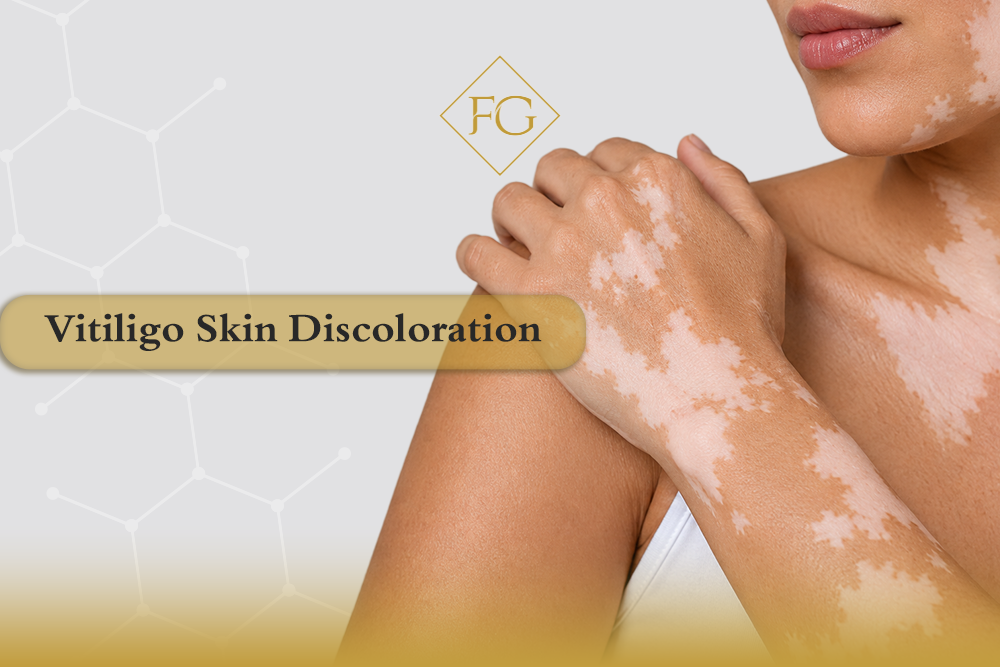
Managing vitiligo skin discoloration effectively requires understanding melanocyte loss and seeking proper clinical evaluation. When pigment-producing cells stop functioning, smooth white patches appear across body areas. Proper assessment helps doctors determine if the condition is active before starting medical management.
Quick Answer: What Is Vitiligo Discoloration?
Vitiligo is an autoimmune condition where immune cells target melanocytes, resulting in smooth white patches on the skin that require specialized light therapies and medical management. (Watch this video)
Understanding Depigmentation Mechanisms
Loss of skin pigment involves complex immune interactions that disrupt natural melanin production within dermal layers. Understanding vitiligo skin discoloration mechanics helps patients seek early medical care.
Core aspects of depigmentation development:
- Autoimmune responses target functional melanocytes directly in affected skin areas.
- Genetic factors influence overall susceptibility to progressive pigment loss.
- Physical friction or minor injuries can trigger new white patches.
- Environmental stress factors accelerate localized cellular oxidative damage.
When to Seek Clinical Assessment
Noticing sudden pale or white patches on your skin warrants a professional evaluation by a specialized practitioner. Evaluating vitiligo skin discoloration early helps prevent widespread progression.
Signs indicating medical assessment is necessary:
- Sharp white patches appear around your eyes, mouth, or hands to Vitiligo Treatment
- Premature whitening affects scalp hair, eyelashes, eyebrows, or beard growth.
- Loss of color occurs inside mucous membranes of the mouth.
- Rapid expansion occurs in existing depigmented areas after sun exposure.
Why Professional Assessment Matters
Evaluating vitiligo skin discoloration requires specialized diagnostic tools to determine exact patch stability levels before starting treatment.
Benefits of specialized clinical diagnosis:
- Wood’s lamp inspection detects early depigmentation invisible to naked eyes for Segmental vitiligo
- Differentiating vitiligo from fungal infections or post-inflammatory hypopigmentation accurately.
- Identifying whether the condition is active prevents further pigment loss.
- Selecting safe light parameters tailored to individual skin sensitivity.
Clinical Options for Pigment Restoration
Dermatological care focuses on calming localized immune activity and stimulating dormant pigment cells safely and effectively. Treating vitiligo skin discoloration requires customized light technology.
Available dermatological management protocols:
- Targeted 308nm excimer laser delivers concentrated light directly to patches.
- Phototherapy protocols help calm immune responses and stabilize patch borders.
- Specialized topical formulations protect existing melanocytes from autoimmune damage.
- Comprehensive sun protection guidelines prevent sunburn on depigmented skin areas.
Checklist Before Starting Care
Following key evaluation steps for vitiligo skin discoloration ensures a safer procedure experience and supports smooth repigmentation progress.
Patient pre-treatment checklist:
- Has a specialist confirmed your exact depigmentation type accurately?
- Are your white patches currently expanding or remaining stable?
- Have you disclosed all current medications and health conditions?
- Is your daily routine compatible with scheduled light therapy sessions?
- Do you understand that repigmentation occurs gradually over time?
Decision Factors in Vitiligo Care Management
| Decision Factor | Why It Matters | What to Ask During Consultation | Red Flag to Avoid |
|---|---|---|---|
| Diagnostic Method | Ensures accurate differentiation from other conditions. | Is Wood’s lamp inspection included? | Diagnosis based on quick visual inspection. |
| Treatment Stability | Active and stable patches require different approaches. | Is my condition currently spreading? | Aggressive treatments on active expanding patches. |
| Technology Options | Targeted lasers protect surrounding healthy skin. | Do you use targeted 308nm lasers? | Unregulated light exposure recommendations. |
Common Mistakes in Discoloration Care
Avoiding frequent errors supports better skin health and prevents unnecessary irritation or patch expansion.
Practical mistakes to avoid:
- Applying strong unprescribed topical creams without medical supervision.
- Exposing depigmented skin to direct sunlight without adequate sunscreen.
- Expecting instant complete repigmentation after a single laser session.
- Ignoring physical skin trauma or harsh friction on sensitive areas.
Why Choose Dr. Faiez Ghanam Center for Vitiligo Skin Discoloration
Choosing Dr. Faiez Ghanam Center for managing vitiligo skin discoloration ensures receiving compassionate care centered on your comfort and peace of mind., an experienced dermatologist in Dubai, our team provides personalized repigmentation strategies designed around your unique skin needs.
Our clinical care standards include:
- Detailed diagnostic evaluation using specialized light inspection tools.
- Tailored protocols combining targeted excimer laser and topical therapies.
- Complete medical supervision focused on patient safety and privacy.
- Ongoing clinical monitoring to support long-term skin stability.
Conclusion
If you are dealing with vitiligo skin discoloration in Dubai, book your consultation today to receive a personalized assessment and start your journey toward stabilizing pigment spread, restoring natural skin tone, and regaining your confidence.
- Phone / WhatsApp: +971 50 135 0453
- Location: Jumeirah Beach Road, Dubai, United Arab Emirates.
- Working Hours: Daily from 9:30 AM to 9:00 PM (Friday: Closed).
FAQs
Is vitiligo skin discoloration contagious or dangerous to health?
No, it is an autoimmune condition that is completely non-contagious.
Can targeted lasers restore natural skin pigment in white patches?
Targeted lasers stimulate melanocytes to encourage gradual repigmentation over time.
How soon do repigmentation results typically become visible?
Small pigment spots usually begin appearing after several consistent sessions.
Does sun exposure make white patches more noticeable?
Sunlight tans normal skin, making depigmented patches stand out more.
Can vitiligo affect hair color in depigmented areas?
Yes, loss of pigment can turn hair white in patches.
Is consultation necessary before starting light-based therapies?
A detailed clinical evaluation ensures proper light parameter settings safely